
Examination is examination; however, there are still distinctions among examinations that have been written by students worldwide, as some have proven to be difficult and competitive.
A competitive exam is not an exam that you write most often; this form of exam can’t be compared to semester exams or examinations done by students for promotion to the next class.
🌍 More Available Jobs


Competitive exams are mostly conducted by bodies that offer employment, scholarships, or some other form of incentive. Competitive examinations are mostly tied to incentives, whereby if the candidate passes the examination, the students have access to the incentives.
When competitive examinations are known to be difficult, however, they are still the best direction to study during preparation for the exam that can be employed and that will yield maximum and positive effort and, in effect, make the candidate ace the exam.
Various directions and methods can be employed. When we may not touch on all, we will highlight a few directions that are best and effective for every student’s understanding.
🌍 More Available Jobs



TRENDING ARTICLES
Causes, Effects, and Solutions to Examination Malpractice in Nigeria
7 Best Direction to Study for Competitive Exam
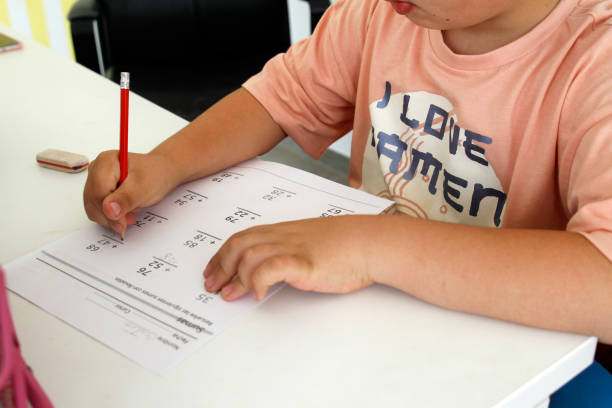
1. Understanding Your Exam
For the best direction to study for a competitive exam, one thing that has to come to any candidate’s mind is what kind of exam he or she is sitting for.
A candidate cant just start studying any books when they don’t know about the syllabus, the type of questions that have been set in the past and some of the key subjects that have been asked in the examination.
Understanding the examination first should come, as this, in effect, will tell you what reading materials you can read and also the type of question that you should focus on most, whether it be a theoretical or mathematical question.
2. Setting Study Goals
The first step is understanding what kind of examination it is, and having known this, which in effect has shown you what to read, study goals should be set to read the materials.
Goals should be set by candidates who are preparing for this exam in short-term and long-term periods. This can be done by breaking the syllabus into pieces and making sure these broken pieces of the syllabus are allocated time to read for days and weeks, if you still have time.
3. Time Management Strategies
It is quite expected for a candidate who intends to sit for an exam not to have all the time for himself or herself, which might affect her study goals.
Competitive exam most time are attended and taken by working-class candidates who may not have all the time and this is where time management comes in.
In spite of a busy schedule, time management can still be instilled and followed. For example, candidates who want to sit for a competitive exam and who work from 9 to 5 can study from 8 to 12 or from 5 to 8 every day, and use a free day like Saturday or Sunday to cover much.
4. Effective Study Methods.
No matter how good you are at time management, it still matters if you don’t understand what you are reading quickly, thereby wasting your time and draining your energy daily.
Effective study methods make reading easier, and some of them will be explained in numbers here, as a particular method might not work for all persons; however, with multiple methods, a candidate can know the one suited for him or her.
Effective study methods include mind mapping, which involves using a visual technique that helps you remember what you will read, and picturing what you have read in mind.
Other methods include active recall, where you read what you read aloud or in mind when not looking at your reading material, and spaced repetition, whereby you revisit the reading material at time intervals of maybe 30 minutes, 1 hour, or more, depending on the individual.
5. Getting the right Reading Materials & Resources
The best direction for any competitive exam lies in how to secure the appropriate and most efficient reading materials. When we don’t know the kind of exam you are taking, maybe a professional or interview examination, adequate materials are needed very much.
To get the reading materials needed, if you are unable to get to know any of the other candidates who will sit for the exam, it is best advised that you surf online for materials.
You can use any browser on your phone or desktop to download materials in PDF format or in image format. YouTube videos can also be used as proper study guides for questions you might not understand, and lastly, you can consult the library for any textbook that can help for your examination.
7. Motivation & Discipline
Your time management and study goals won’t be consistent, as some candidates only follow their study goals and time management for a week and eventually give up.
Make sure your motivation for the exam remains high, and I can also say that your zeal for the examination should be high, as this will keep your study goals and time management active till you take your exam, coupled with discipline.
FREQUENTLY ASKED QUESTIONS
What is the best time of day to study for competitive exam?
The best time varies for each individual because of body systems, but 4 am-7 am is classified as the best time due to non-activity by humans and the best time for the brain to retain information.
How many hours should I study daily for competitive exam?
4 hours is okay to study for a competitive exam daily without wearing you out.
Can group study help for competitive exam preparation?
Yes, especially for exams that are mathematically based. Teaching others and someone teaching you will help you learn faster.
What are common mistakes to avoid when preparing for a competitive exam?
Laziness, procrastination, and overconfidence.
Conclusion
A competitive exam does not call for panic. If you’re preparing for a competitive exam, you should not wear yourself down or cause a reduction in your productivity in your workplace or whatever you With proper motivation and discipline, you can ace the exam in the most amazing way you can’t expect.

A.O. S is a Graduate of Economics from Adekunle Ajasin University,he has been in the blogging space for 4 years and his major aim is helping Nigerian students understand the Education system at all level